Council affirms Renton ‘protective city’ for LGBTQIA2S+
Published 1:30 am Sunday, July 19, 2026
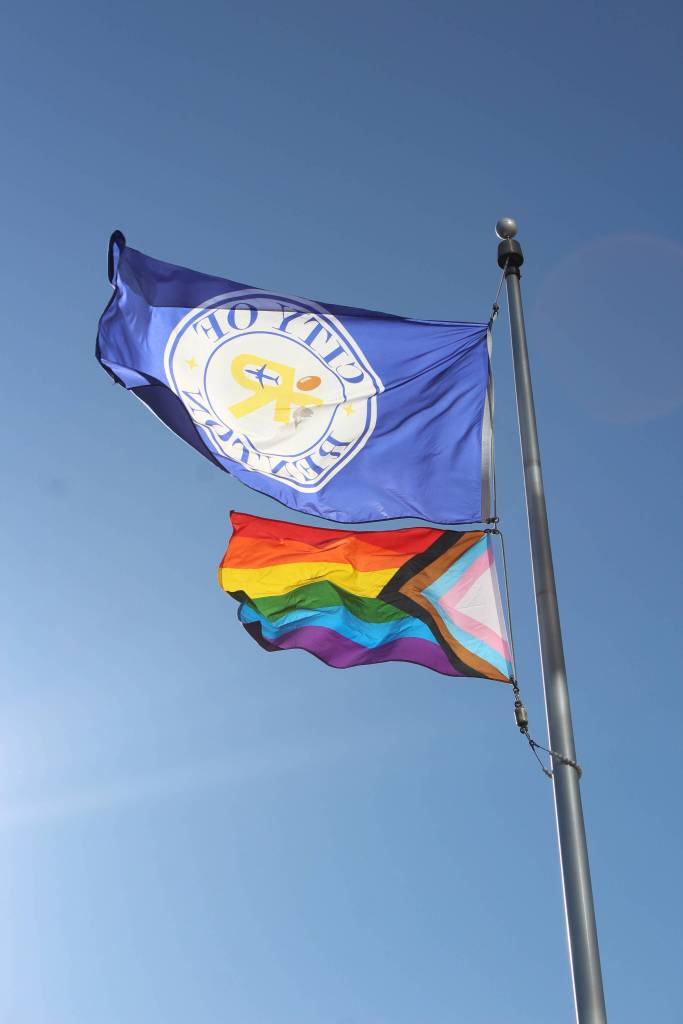
The city of Renton affirmed the city as a welcoming and protective city for LGBTQIA2S+ individuals in a resolution.
At the July 13 Renton City Council meeting, the council unanimously passed a resolution affirming Renton as a “welcoming and protective city” for lesbian, gay, bisexual, transgender, queer, intersex, asexual, two-spirit, and other LGBTQIA2S+ individuals. The resolution also reaffirms the city’s commitment to the Washington Law Against Discrimination and Washington’s Shield Law, and directs certain lawful actions to protect the civil rights, safety and well-being of all residents, workers and visitors.
Discussion of a resolution was first brought up at the April 7, 2025, committee of the whole meeting, where debate focused on whether a reaffirmation of a 2017 proclamation calling Renton an inclusive city was enough, or if a new proclamation was needed, or if the city should create a resolution. This new resolution is a change to city code, not just government speech made on behalf of a city government to honor, celebrate or raise awareness for the benefit of the community. In June, 2026, the council adopted a motion directing the city administration to develop a resolution.
“With the current administration and what we are seeing at the national level, it’s a public health and a safety policy for a very growing community,” Councilmember Carmen Rivera said in 2025.
The resolution shows the city’s support and planned upholding of state laws that prohibits discrimination on the basis of sexual orientation and gender identity in employment, housing, public accommodations, credit, insurance and protects persons who seek, obtain, provide, or assist in obtaining lawful gender-affirming health care or reproductive health care in Washington from certain hostile legal actions originating outside the State.
“I think it is OK to reaffirm these state laws in local legislation and local resolutions because, as representatives of our city, it speaks to us affirming the state law,” Rivera said previously. “I’ve sat on regional boards recently where we have local leaders and municipalities questioning state law and even have in some cases local leaders, local municipalities or organizations sue the state for the fear of what may happen.”
The resolution states the city personnel, funds and resources will not be used “to investigate, surveil, detain, or penalize any individual solely on the basis of that individual’s sexual orientation, gender identity, gender expression, or lawful receipt or provision of gender-affirming or reproductive health care.”
Additionally, the city will not use resources to assist another jurisdiction for lawful conduct in Washington State relating to gender identity, gender-affirming care or reproductive health care.
However, this only applies to the city’s own discretionary personnel, funds and resources. The resolution does not authorize “any action contrary to valid state or federal law or a valid court order, or excuses any City officer or employee from performing a duty, or from providing assistance, that is required by valid state or federal law, by a valid court order, by a condition or assurance attached to a federal grant the City has accepted, or in connection with a criminal investigation of a violation of Washington State law.”
In regards to employee health benefits, the city recognizes the state and federal law that protects against discrimination on the basis of sexual orientation and gender through the resolution.
The resolution also directs the administration to monitor developments in state and federal law affecting the matters in the resolution, track the conditions and assurances attached to the city’s federal grants, ensure the city’s decisions for resources match those conditions and assurances, and report to the council if compliance with the resolution would place federal funding at risk.
“The city is constantly changing and we are getting new people in here and there are people who didn’t know about [the 2017 proclamation],” Councilmember Ed Prince said. “There are people who may think because we are between the Eastside and the south end, that maybe our values align more closely with cities that don’t share our values.”