How my teachers and a real-world project inspired my future in STEM | Opinion
Published 8:30 am Saturday, June 20, 2026
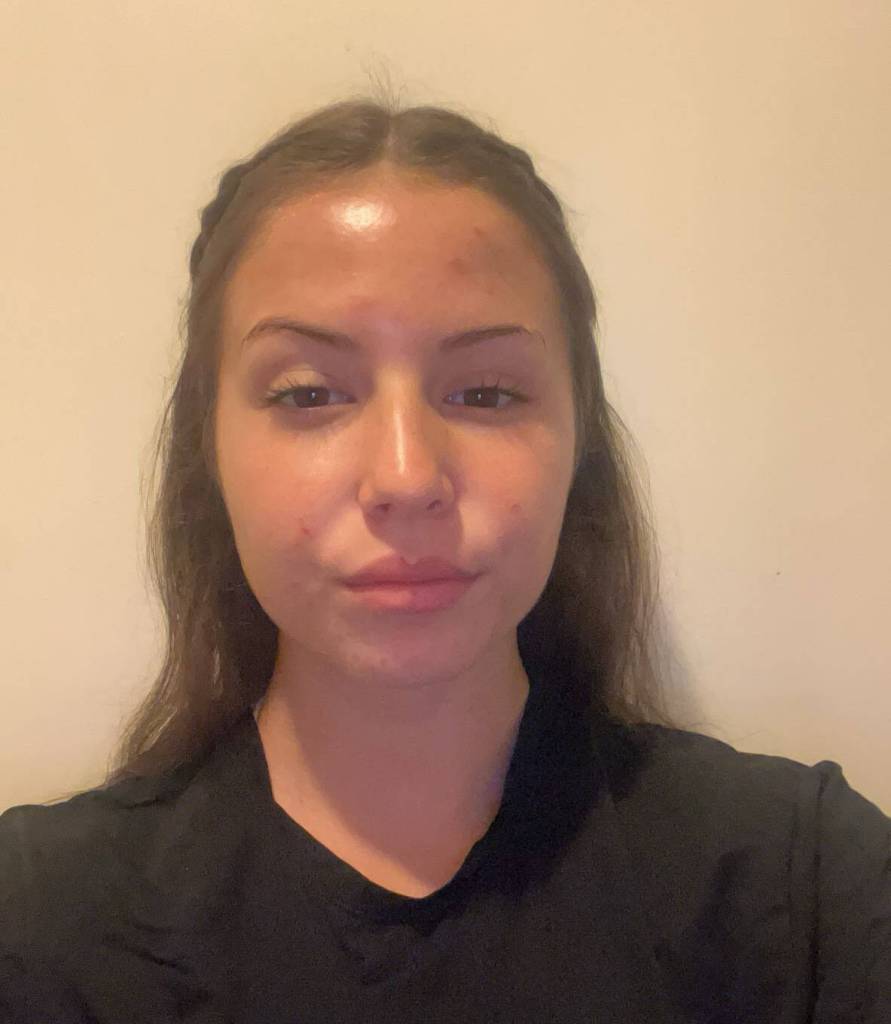
Last summer I was on a volunteer marine biology project in Costa Rica through an organization called Summer Search. After the experience building a hatchery and relocating a turtle nest, it made me realize that marine biology is a career I could do with passion.
I would not have had this experience if my two biology teachers in high school hadn’t seen potential in me. One encouraged me to pursue AP Biology and another made science more than just data; he made it exciting and fun. Science, technology, engineering, and math (STEM) had always interested me, but my teachers and the summer experience with turtles helped me see it as part of my future.
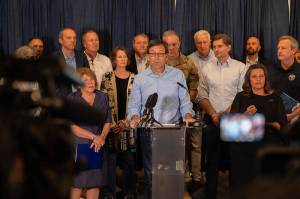
This spring, I was one of 50 Washington high school students recognized at STEM Signing Day, presented by Boeing. Like signing days for athletes, we each signed a letter of intent to pursue our goals in STEM. It was a really cool experience. I was recognized for something I deeply care about and got to meet other students who are pursuing similar paths. It made me even more excited for what’s next at the University of Oregon, where I’ll study marine biology.
Standing among my fellow STEM Signing Day honorees made me feel so hopeful about where we’re headed. Students are entering fields like healthcare, engineering, environmental science and technology, bringing new ideas and fresh perspectives to major challenges facing our communities. We care deeply about solving problems, helping people and protecting the world around us.
Across Washington, the careers shaping our state are changing quickly. What they increasingly have in common is this: they require education and training beyond high school.
That’s something I’ve been thinking a lot about as I prepare for my next step. For me, continuing my education is what will allow me to turn my passion into a meaningful career that can help protect marine ecosystems and wildlife.
But not every student is on that path. In Washington, only about 40% of high school students are expected to earn a postsecondary credential. That number stood out to me because it means a lot of students are missing out on opportunities that could make a real difference in their lives. We can do better.
The good news is that there isn’t just one way forward. Whether it’s a four-year college, a community or technical college, an apprenticeship, or another type of training, there are options that can match different goals and interests.
There’s also more support out there than a lot of people realize. Programs like the Washington College Grant can make continuing your education much more affordable. Even if you’re not sure what you qualify for, it’s worth taking the time to fill out the FAFSA and see what’s available. There may be more financial support out there for you than you expect.
If you’re still figuring out what comes next, you’re not alone. There are opportunities out there. Taking that next step, whatever it looks like for you, can make a big difference in where your path leads.
To anyone thinking about pursuing STEM, talk to your teachers and look for organizations like the one I was a part of. These resources and educators can help you learn about both future career opportunities and yourself. You’ll gain the experience and knowledge to build the life you want.
Emelia Stroppa is a member of the graduating class of 2026 at Lindbergh High School.