Renton steps up projects to help salmon population
Published 4:30 pm Friday, October 24, 2025
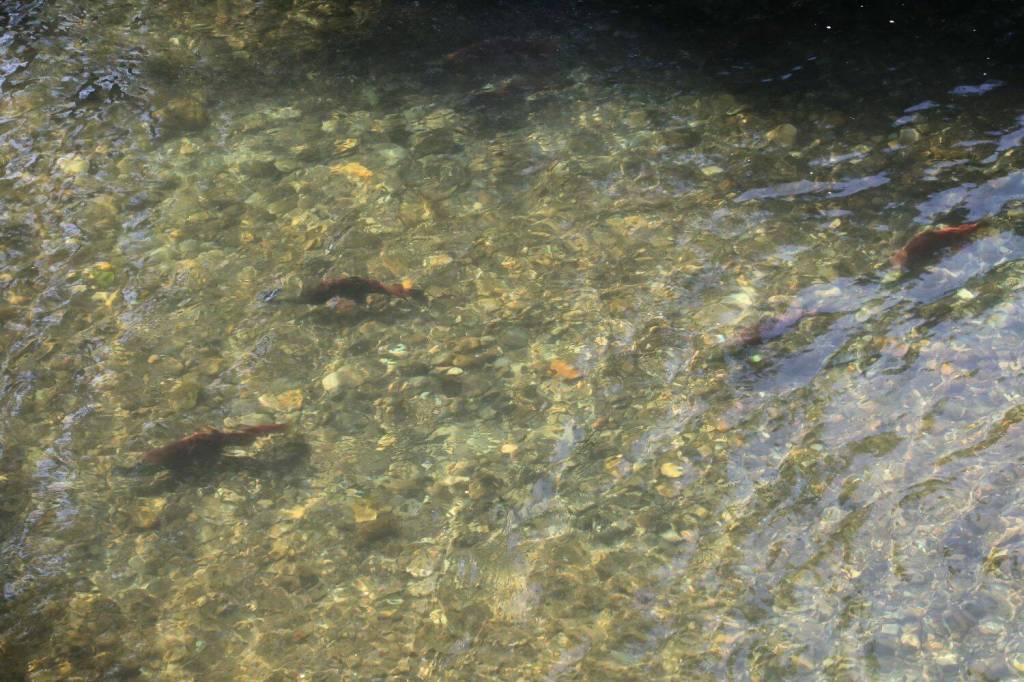
It’s salmon season, and Renton has rededicated its efforts to help salmon populations in the two river basins in the city.
In July, the Renton City Council approved interlocal agreements with Water Resource Inventory Area (WRIA) 8 and 9 to continue contributing funds to the King County watershed protection entities from 2026 to 2035.
WRIAs give grants to jurisdictions in their region to help fund projects designed to restore salmon populations.
Renton Surface Water Engineering Manager Joe Farah said said the cities nominate projects for funding and then WRIAs prioritizes the projects and supports the delivery of those projects. Two years ago, WRIA 9 gave Renton $150,000 to partially fund the Springbrook Creek Action Plan, a plan to restore salmon habitat in the tributary to the Green River. The agencies also provide letters of support when Renton applies for state and federal grants to help salmon.
“Salmon recovery isn’t something that anybody can achieve on their own because rivers travel through multiple cities, so having regional bodies that coordinate efforts makes sure everyone is on the same plan,” Farah said.
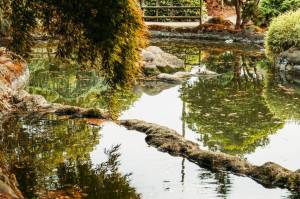
Farrah said there are several actions cities can take to aid salmon recovery. Projects like the Springbrook Creek Action Plan create habitats for salmon in areas where those habitats were lost with actions such as removing invasive species, adding large, woody material and grading steep banks to create shallow habitats.
“You have to build the house for salmon to come,” Farrah said. “You build the house, but can salmon get there? You have to make sure the road to the house is clear as well. If the habitat is blocked by a barrier like a road across the river with a small pipe that salmon can’t get through, then it doesn’t matter if you build habitat.”
Farrah said these actions are known fish passage improvement projects. Farrah said there is currently one of these projects in Renton along Panther Creek across Talbot Road S.
Farrah said the project is focused on opening up the natural habitat available for salmon in the ravine uphill from the road.
“You have to make sure the water is good enough for salmon to spawn, rear and live in,” Farrah said. “If the air in your house is not breathable, you can’t live in it. Similarly for salmon, if the water is polluted, they can’t live in it.”
Farrah said a storm water retrofit project along Lind Avenue S. will install treatment units to prevent pollutants from the roads entering into Springbrook Creek. He said one of the most toxic pollutants in stormwater for salmon is crumb rubber. Farrah said preventing pollution is a way Renton residents can take action to help protect salmon.
Other ways people can help keep the streams and rivers habitable for salmon is to make sure your vehicle isn’t leaking fluids, go to commercial car washes where runoff water is treated and create a rain garden to better filter stormwater runoff.
Costs and more
Renton’s previous cost share allocations for the two projects was $24,382.00 for WRIA 8 and $22,170.00 for WRIA 9. The cost is recalculated every three years or when a significant annexation occurs and is based on a percentage of the administrative and staffing costs.
WRIA 8 has 27 jurisdictions in the Lake Washington/Cedar/Sammamish basins contributing, while 17 jurisdictions within WRIA 9, the Green/Duwamish/Central Puget Sound basins, fund that entity. Renton has a portion of the city in the Cedar River watershed and the Green River Watershed.