Renton ordinance revisions focus on wetlands, sensitive areas
Published 7:30 am Sunday, January 11, 2026
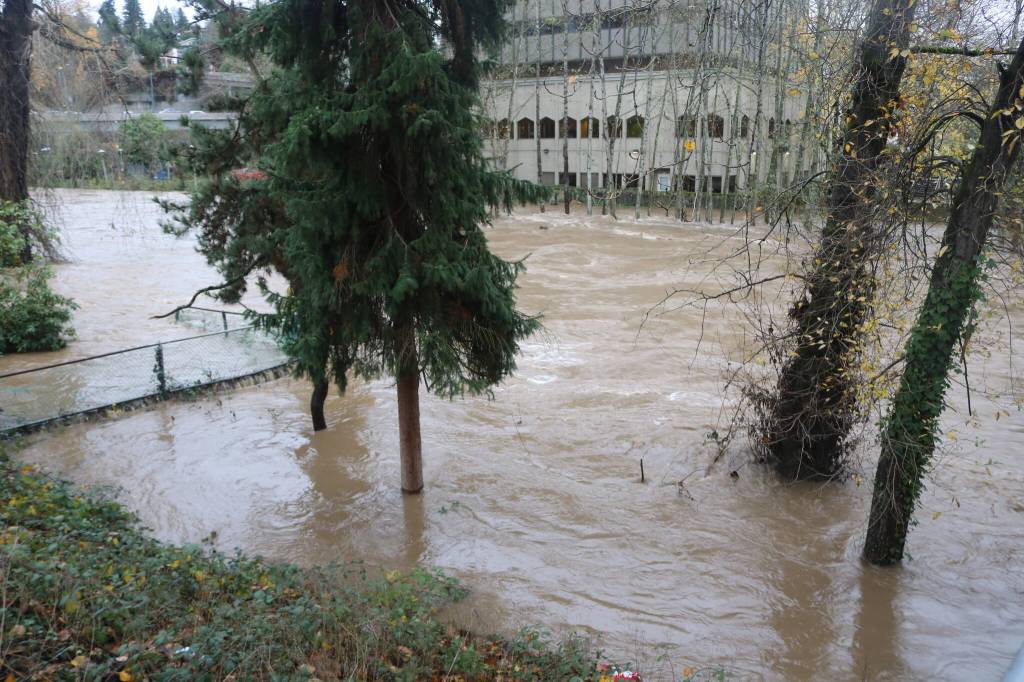
The recent flooding in Renton showed the importance of the regulations for the developments in flood hazard zones and wetlands.
Before the end of the year, the Renton City Council passed revisions to its critical areas ordinance, which consists of local development regulations cities must adopt and enforce to protect specific environmentally sensitive areas, and it safeguards the public from natural hazards. The ordinance is mandated by Washington’s Growth Management Act.
“It protects environmentally sensitive areas, which for us includes wetlands, streams, flood hazard zones, wellhead protection areas, geologically hazardous areas and fish and wildlife habitat conservation areas,” Renton Associate Planner Mariah Kerrihard said previously.
Renton Principal Planner Paul Hintz said regulations depend on the critical area where the construction is wanted. He said it is important to be conscientious where they are putting people and infrastructure.
“A landslide can take out a roadway or, even worse, people’s lives and property,” Hintz said. “It is important that we make sure we are protecting people as much as we can by adopting these regulations.”
The code incorporates regulations around channel migration zones — or the area around a river that the river may move to over time — into the ordinance in order to protect the full width of the channel migration zones (CMZ). Members of the public are allowed to challenge the county’s mapping of the CMZ with the new ordinance.
“It’s possible that maybe local knowledge of river stabilization efforts are not recognized in their study, so it is important that we provide means to challenge CMZ boundaries by having their own study conducted,” Hintz said.
.
Protecting wetlands has been a major focus of the changes. Hintz said in most cities and counties in Western Washington, the buffer that surrounds wetlands is increasing depending on the category of the function of the wetland.
“These increases are meant to protect the functionality of wetlands and make sure they are doing their jobs of filtering water and providing a habitat for fish and wildlife,” Hintz said.
Hintz has previously said they are meant to provide reasonable exceptions to take care of existing structures and prevent new structures in areas that might be an issue in the future. He said Renton is adopting the minimum required by the state because their regulations are “pretty robust.”
“For the average person, this ordinance really doesn’t have an impact. It really only impacts people who want to develop their land and are in close proximity to a critical area or developers who want to develop land,” Hintz said.
According to the city’s website, the approved ordinance has been sent to the Washington State Department of Commerce in accordance with RCW 36.70A.106 for state agency review before publishing to the public. The new ordinance is anticipated to be codified in January 2026. The signed ordinance can be found on the city’s critical areas ordinance webpage.