
Sponsored Content
Explore how behavioral health challenges are reshaping today’s workplace
Published 6:00 am Monday, January 19, 2026
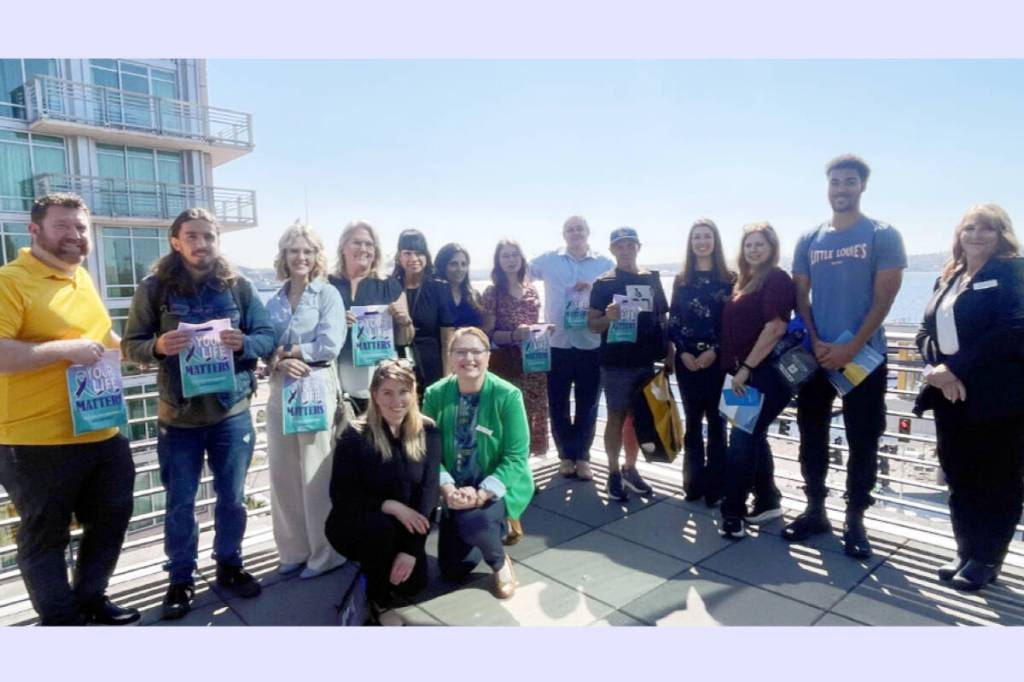
Business owners, nonprofit leaders and policymakers are invited to gather around breakfast tables on Feb. 19 at the World Trade Centre in Seattle, not to trade pitches or policy sound bites, but to talk plainly about how behavioral health shows up in the workplace, on the streets and across King County.
The forum, hosted by Valley Cities Behavioral Health Care, is intentionally aimed at employers and community decision-makers who may not see themselves as part of the behavioral health system, but whose organizations feel its impact every day.
“This event is about helping people connect the dots,” says Payton Standfill, marketing specialist at Valley Cities. “Behavioral health isn’t happening in isolation. It affects workforce participation, housing stability and the overall health of our local economy.”
The conversation will explore how substance use disorders and untreated mental illness intersect with homelessness in the Seattle–King County region and why those challenges increasingly land on the desks of business leaders.
Missed workdays, employee burnout, safety concerns and rising housing instability are no longer abstract issues. They are operational realities.
Valley Cities brings a grounded perspective shaped by decades of direct service.
Through a whole-person, whole-community approach, the organization provides medical detox, substance use disorder treatment, mental health services and integrated care for people with co-occurring conditions.
That clinical work is reinforced by housing navigation, employment services, veteran-focused care, outreach to people experiencing homelessness and mobile clinics that reach underserved and rural areas of King County.
“We want community leaders to see who our professionals are and how this work actually happens,” Standfill says. “There are evidence-based solutions already in motion and collaboration is what allows them to be successful and scale up to meet a growing demand.”
The forum is designed to move beyond awareness toward practical engagement.
Attendees will learn how integrated behavioral health care improves recovery outcomes, strengthens community stability and supports a healthier workforce.
They’ll also explore where partnerships between business, health care, nonprofits and the public sector can make a measurable difference.
Hosted at the World Trade Center Seattle, the Feb. 19 event runs from 7:30 to 10:30 a.m.
Tickets are available online and include breakfast as well as complimentary valet parking.
“At the end of the day, this is about shared responsibility,” Standfill says. “When businesses engage in behavioral health solutions, the entire community benefits.”
To learn more about Valley Cities and their services, call 253-833-7444 or visit valleycities.org. Follow them on Facebook for news and updates.
Help support Valley Cities:
Valley Cities Behavioral Health Care accepts one-time, monthly and legacy donations to help sustain and expand its services throughout King County.
If you or someone you know is currently struggling with mental health and/or addiction, contact the Valley Cities team by phone at 253-833-7444 or in person at your local Valley Cities location. You can also call the 24 hour crisis line at 206-461-3222 or toll free at 866-427-4747.