Renton suspends use of automated license plate reader cameras
Published 5:23 pm Tuesday, April 14, 2026
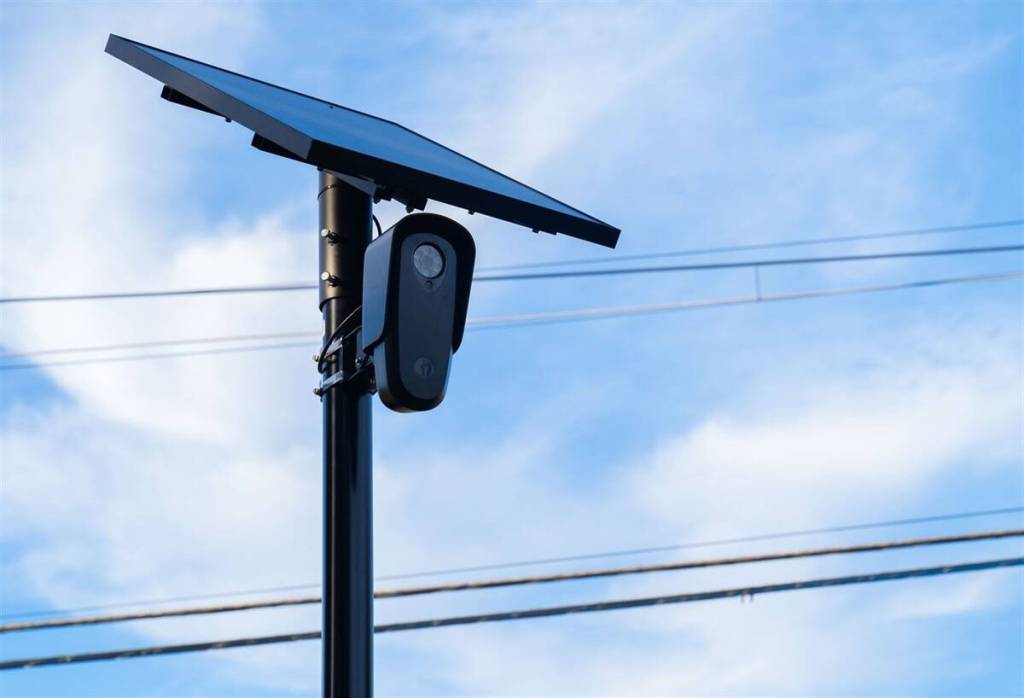
The Renton Police Department has suspended all use of its automated license plate reader (ALPR) cameras to comply with strict new statewide privacy regulations under Senate Bill 6002.
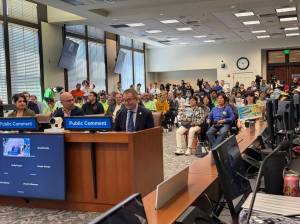
Washington Gov. Bob Ferguson signed SB 6002, also known as the Driver Privacy Act, into law on March 30. The bill creates new statewide rules on the use of automated license plate readers, Flock safety cameras and stored license plate data that government agencies can use to track where people drive. Renton Police Chief Jon Schuldt gave the city council an update on the law and how it affects them at the April 6 Committee of the Whole meeting.
The new law prevents “anyone in the community” from making a public disclosure request for the information obtained by the ALPR program. Along with the Keep Washington Working Act, Schuldt said this limits or denies the department’s ability to share information on immigration-related issues.
The Driver Privacy Act also cuts down the time they can hold on to Flock camera information from 30 days to 21 days. It also limits use of the cameras to only felonies and gross misdemeanor crimes. Schuldt said the misuse of this information by an officer is a “potential crime” and they could be charged with a misdemeanor.
“It’s pretty substantial penalties that go along with it for any type of violation,” Schuldt said. “With all that in mind and where the state Legislature came in with these new regulations over ALPR cameras, we have put a pause on all of our ALPR usage. It’s not only with the Flock cameras, but also has to do with our in-car cameras that also have the ability to do automatic license plate reading. We’ve also put a pause on ALPR use by our parking enforcement.”
The law restricts agencies’ ability to use those cameras in “sensitive areas” such as schools, medical facilities, places of worship or immigration-related locations.
“So, as we work through figuring out how to redeploy our systems to be in compliance with state law, we’ve put a pause on it,” Schuldt said. “And also as we update our current policies to ensure that officers are familiar with it and don’t use it in some type of nefarious way that could get them in any type of trouble.”
Schuldt said the Flock cameras are still currently on and collecting data, but they have “no way” to access them.
“The relevance of that came into context when there was a homicide just outside of our city limits and we know that the vehicle involved, which we have a description of, drove into our city and did a shooting within our city, so we have the description,” Schuldt said. “We know about the time and proximity, the location. So we know it went past Flock cameras to be able to get at least identification on that vehicle to hopefully follow up and identify suspects. So that data is there, we just can’t access it at this point.”
The police department’s access to those systems will be limited until they get their policies up to date and have trained on how to properly use them with the constraints of the new law, Schuldt said. He said they will also have to report the use of the cameras to the Attorney General’s office in the future for auditing purposes.
“We have several high-profile cases … with homicides where we wouldn’t have had any actionable leads if it hadn’t been for our ability to do follow-up with the Flock camera system,” Schuldt said. “So, for us, it’s a real game changer for investigations and we want it up and running as soon as we can, but I can’t put a timeline. We’re not going to have it up and running until we know that we’re in full compliance and check all the boxes.”
Schuldt said they have 24 cameras deployed around the city and have determined one would be in violation in a sensitive area.
“Although it’s not collecting data on vehicles in that sensitive area, the footage from that camera does touch part of the property of what would be determined to be a sensitive area,” Schuldt said. “That camera will be moved.”
Schuldt said the fleet cameras in vehicles are still recording officer contacts, but not automatically collecting license plate data.
“It’s going to be a lot more difficult with a mobile vehicle to identify those sensitive areas that the camera can’t be on. So until there’s such a fix from the vendor like being able to geo-fence those places to automatically turn it off, those won’t be accessible,” Schuldt said. “Neither will our parking enforcement cameras because we can’t turn those off just in those sensitive areas.”
Renton Government Affairs Manager Eric Perry called the bill a “great compromise” between protecting people’s privacy and not limiting police ability to pursue criminals.
“I really do think that this bill in its final form is really an impressive measure of compromise between a lot of the various stakeholders that were involved in this process,” Perry said. “Is it perfect? No, but it will be helpful and, most importantly from the public safety perspective, it strikes a good balance between privacy considerations while still retaining the ability to use the system to its success that we’ve used it for already.”