Council considers new public safety tax in Renton
Published 7:30 am Saturday, August 30, 2025
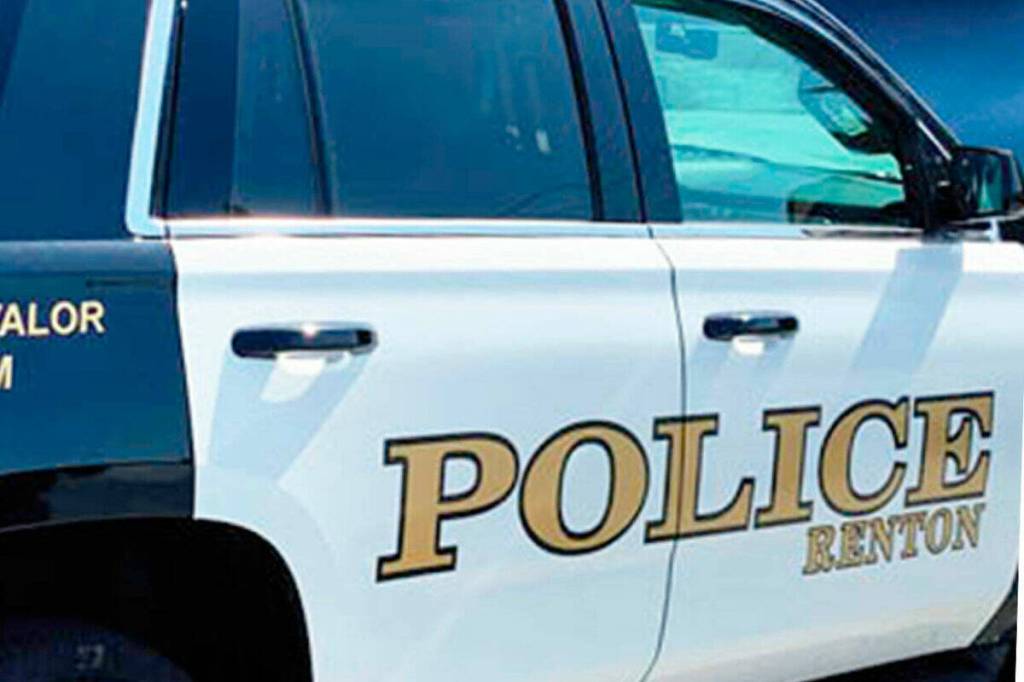
The Renton City Council is considering an additional sales tax to better support public safety, as allowed by recently passed state law.
As a strategy to meet the needs of a growing Renton, Eric Perry, the city’s government affairs manager, presented the possibility of the city imposing a 0.1 percent sales tax at the Aug. 4 committee of the whole meeting.
House Bill 2015, passed earlier this year, allows city councils to enact a tax for “criminal justice purposes.” Renton would qualify to implement a sales tax because King County has already imposed a qualifying criminal justice or public safety sales tax. In addition, Renton voters have not rejected the imposition of a qualifying sales tax within the past 12 months.
The police department also has to meet a number of compliance standards for the new sales tax, Perry said, noting that many other agencies across the county are exploring the sales tax possibilities.
Perry said the funds from the tax should be designated to activities that assist the criminal justice system, but that could include many services such as domestic violence services, court staffing, diversion programs, re-entry support, local preventative programs, juvenile placement programs, community outreach and crisis response.
“(Public safety) is the number one priority that we hear from in our community, via surveys and feedback,” Perry said.
The Renton police are currently implementing new and innovative strategies to better serve the Renton community such as co-response units and work in the resource center, and they will need additional resources to continue that trend, Perry said.
Renton Police Department Public Information Officer Meeghan Black said the extra funds from the tax would allow the department to better specialize in key areas of law enforcement that are rapidly changing.
“One example is keeping up with advancements in technology for investigations, patrol and enforcement,” Black said. “The technology requires expertise, and these additional funds would enable RPD to staff and train dedicated personnel to specialize in the use of technology.”
Perry said this new sales tax will not meet all of the department’s needs.
“We have been working through the past couple of budgets to hire more officers and get up to the state average, which the state is last in the nation in officers per capita,” Perry said. “We are behind the curve and we are working hard to reach that middle ground.”
Black said the police department is not seeing the volume of applicants compared to 10 or 15 years ago.
“That said, we only have four openings out of 137 authorized positions for commissioned staff as of Sept. 1,” Black said. “Our hiring process is extensive, and our training staff does an excellent job, as virtually everyone we hire makes it through the process. So, it’s a matter of attracting quality candidates and adequately supporting them to ensure their success.”
Perry said he also expects new state mandates that will change public defense caseload standards, which he said will have a large financial impact on the city’s budget.
If the city council wanted the tax to go into effect on Jan. 1, 2026, the ordinance would need to be passed by Oct. 13 and submitted to the Washington Department of Revenue by Oct. 17.