

Rain barrels, compost bins, pollinator flowers, young green tomatoes, native berries and other vegetables and herbs skirt the walls of Campbell Hill Elementary School in Skyway, where the school’s 400-square-foot Griot Garden has educated and fed its students and their families for seven years.
“At a low-income, high-needs elementary school, this garden has become more than a learning space. It’s a community and to many of the students, a second kind of home,” said Garden Coordinator and Educator Candida Goza, describing the garden and the various benefits it has provided. “They don’t just grow vegetables. They grow knowledge, confidence, and a connection to food and culture.”
However, due to cuts to federal funding, Goza’s work is in jeopardy.
Up until this year, Goza’s position at the school has been funded by the SNAP-Ed program, short for Supplemental Nutrition Assistance Program Education, which is a federal program. According to SNAP-Ed website, the program is evidence-based and “helps people make their SNAP dollars stretch, teaches them how to cook healthy meals, and lead physically active lifestyles.”
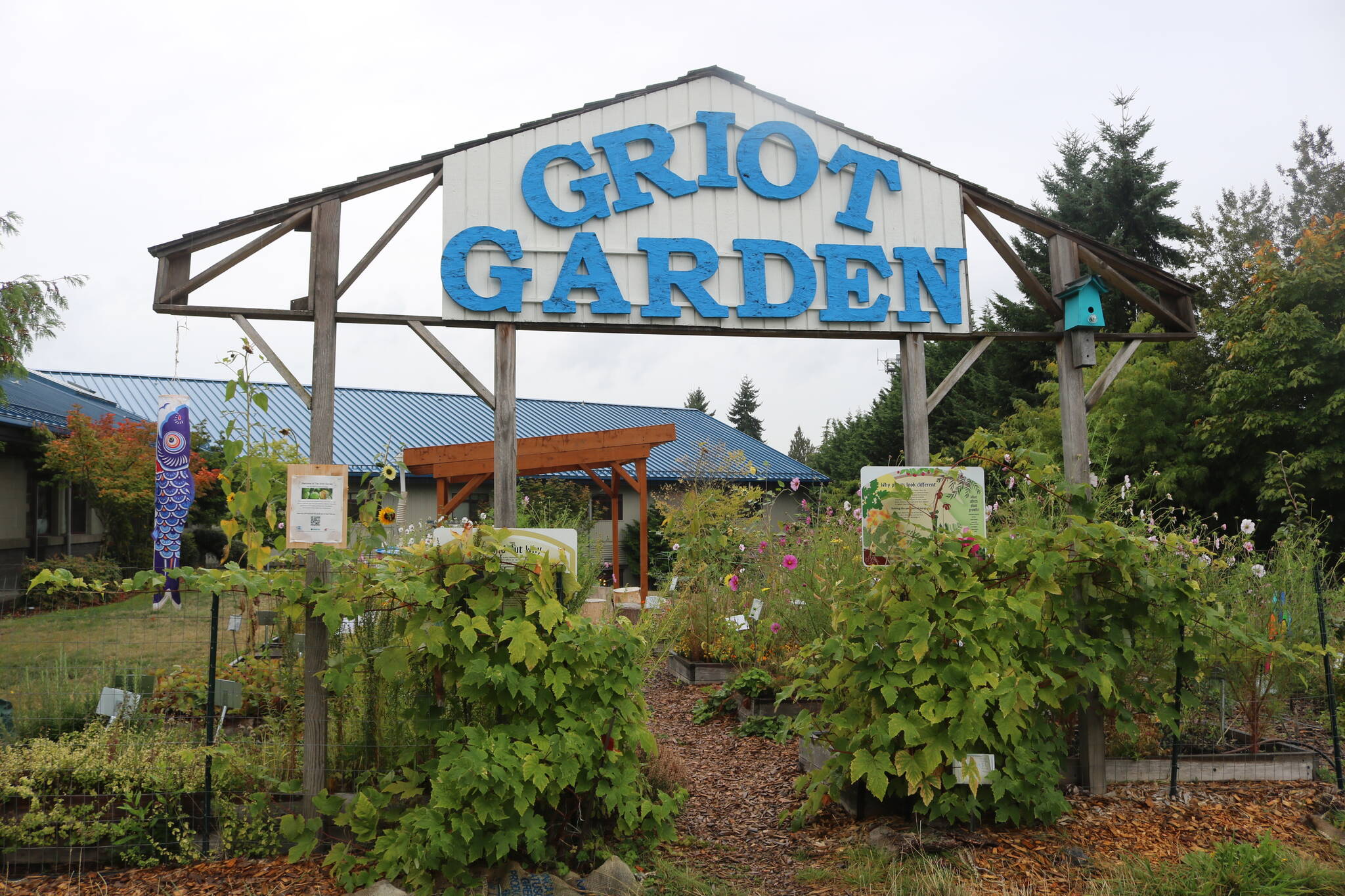
Griot Garden.
Specifically, Goza is a SNAP-Ed Extension Coordinator Senior with Washington State University as part of the WSU SNAP-Ed Live Well program, which has partnered with the Renton School District to help limited income students and their families to “develop skills and behaviors to eat healthfully.”
Due to the Trump administration’s defunding of the national SNAP-Ed program on July 3, the program and Goza’s position at the school — along with her direct impact on Campbell Hill students — will end on Nov. 30, unless there is some kind of financial intervention or donations are made.
“That would allow me to stay here and keep working in the garden moving forward,” she said. Any donations would go to the WSU Foundation as part of the Cultivating Health and Nutrition Through Garden Education Excellence Fund. “There’s a mechanism if people are so inspired to get involved and financially help because that’s the point where we’re at right now.”
Goza said that what her 180 students have learned through getting their hands in the dirt in the garden has extended to their homes, sharing that families have begun to create their own gardens, even growing vegetables on the balconies and outdoor spaces of their apartments. The garden is also open throughout summer vacation, allowing families to come in and harvest any fruits and vegetables they may need.
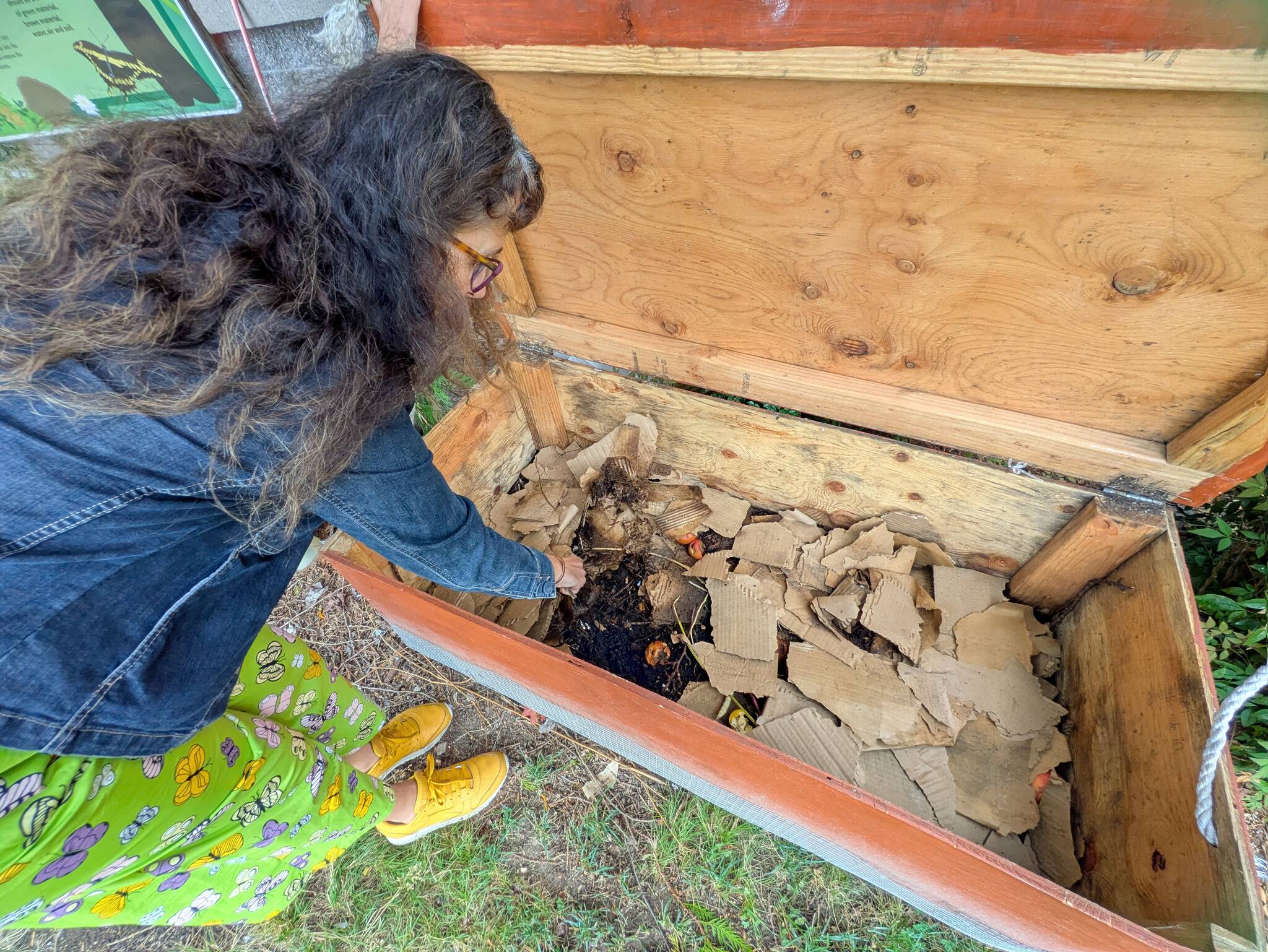
Candida Goza shows how worms turn compost into soil for the garden. Photo by Bailey Jo Josie/Sound Publishing
She said that what she teaches the students helps increase food security and deepens community engagement. Goza shared that one 5th grade student told her that the garden made them appreciate how hard their mom works to “put food on the table.”
Since July, Goza has been applying for grants that would allow her to continue cultivating the garden and helping teach Campbell Hill’s students. She said she is grateful to the school district and to Campbell Hill principal Naceshia Holmes.
“None of this work happens alone. This garden program is the very definition of community work. Ms. Holmes and RSD have trusted our organization and also me personally to do this work and it continues to be an immense honor. I love the CHE community and being part of it, and the collective brilliance, dedication and vision of the school community continues to inspire and teach me,” said Goza.
For more information on how to donate to keep the Griot Garden going, visit the WSU Foundation website and search for the “Cultivating Health and Nutrition Through Garden Education Excellence Fund” or contact the WSU Extension’s county director at alyssa.bowers1@wsu.edu.
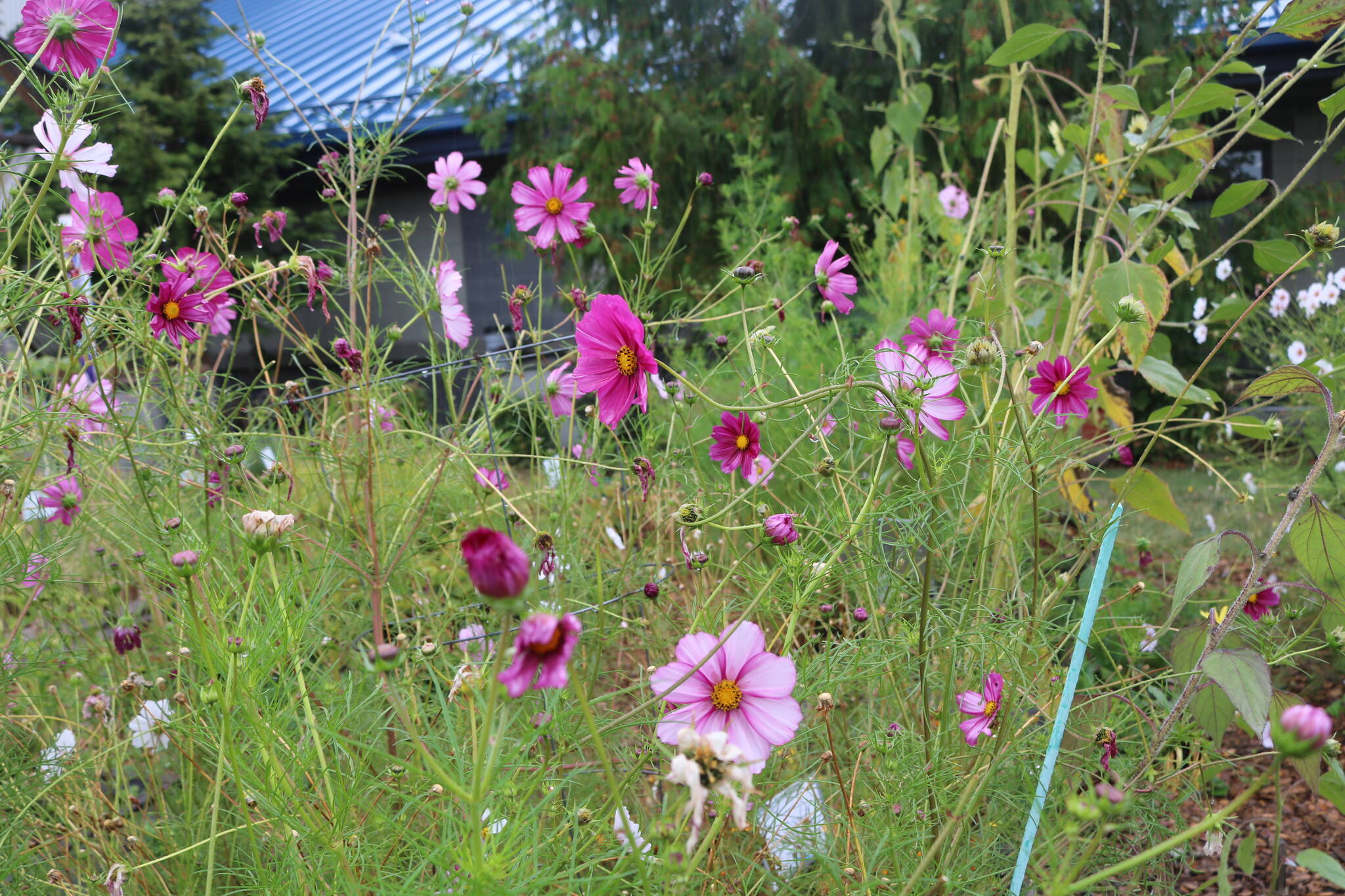
Pollinator flowers help the fruits and vegetables grow. Photo by Bailey Jo Josie/Sound Publishing
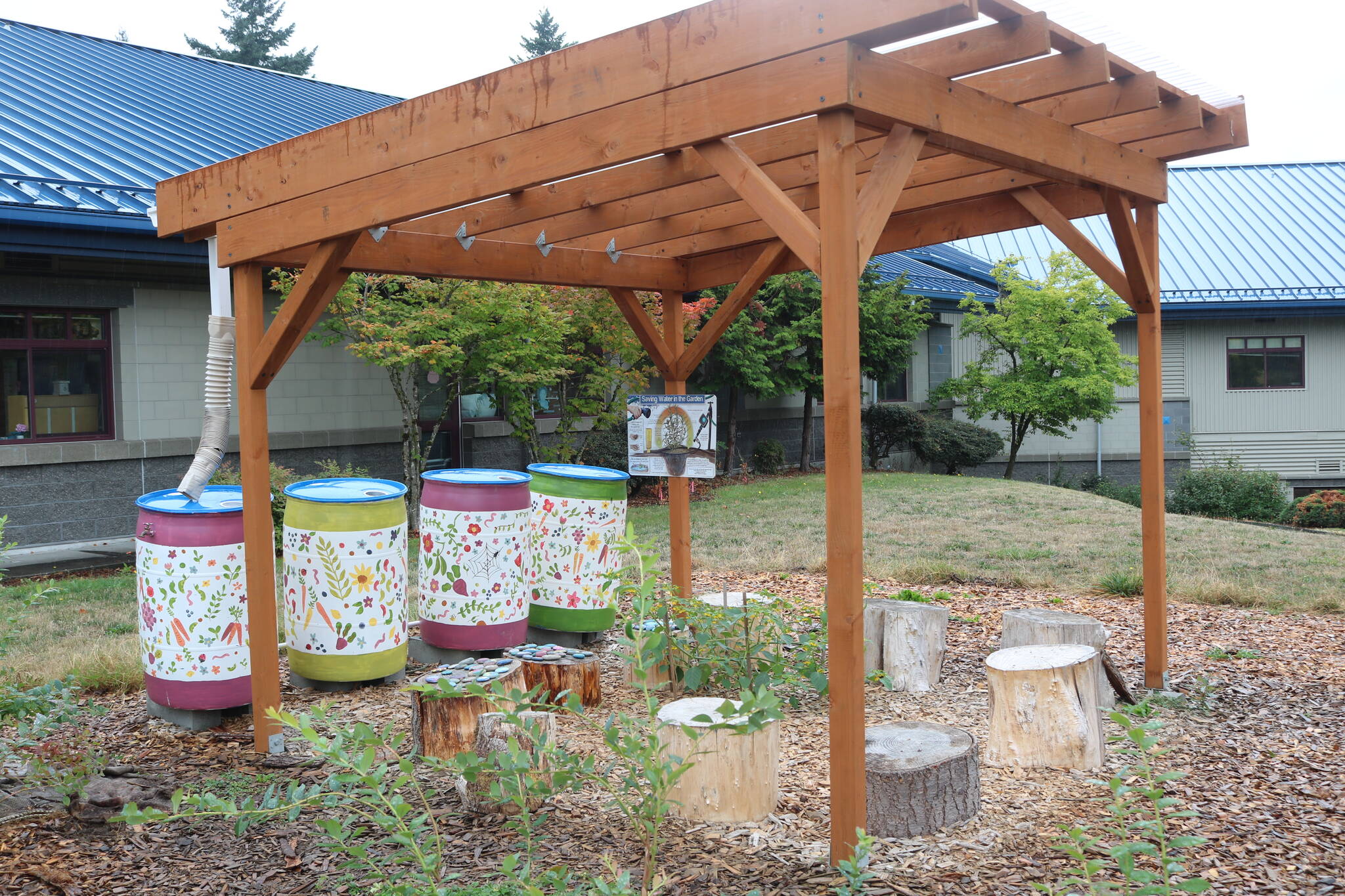
Rain barrels are the newest addition to the garden, allowing students to easily water their plants.