Renton teen chosen for GeoGirls science trip to Mt. St. Helens
Published 5:30 pm Thursday, August 21, 2025
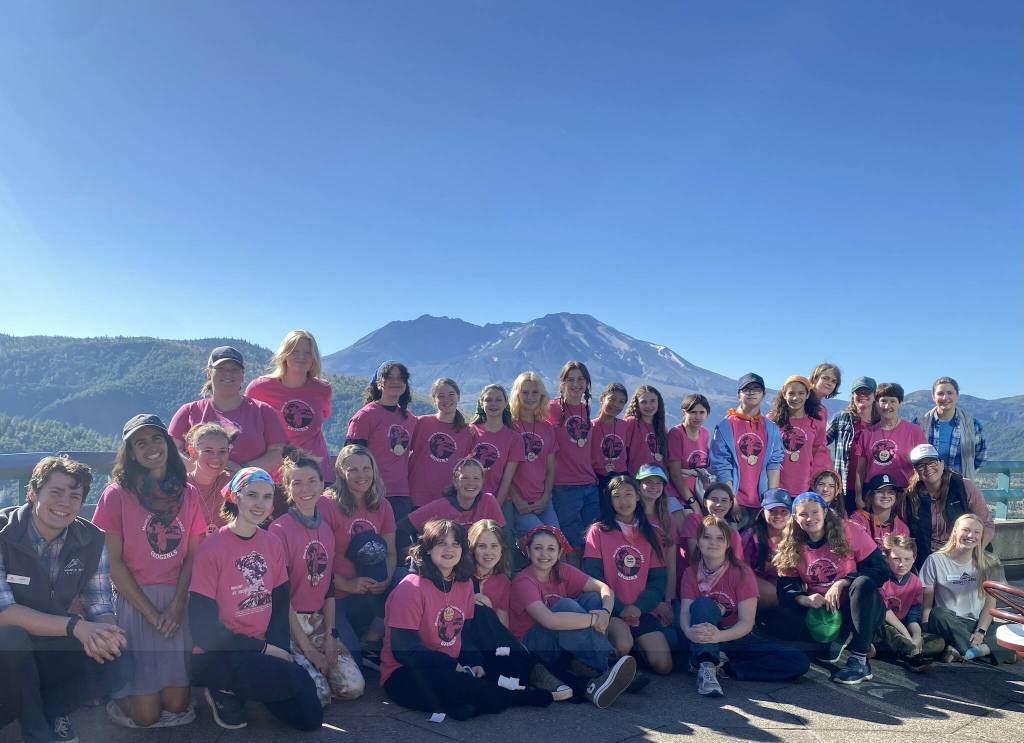
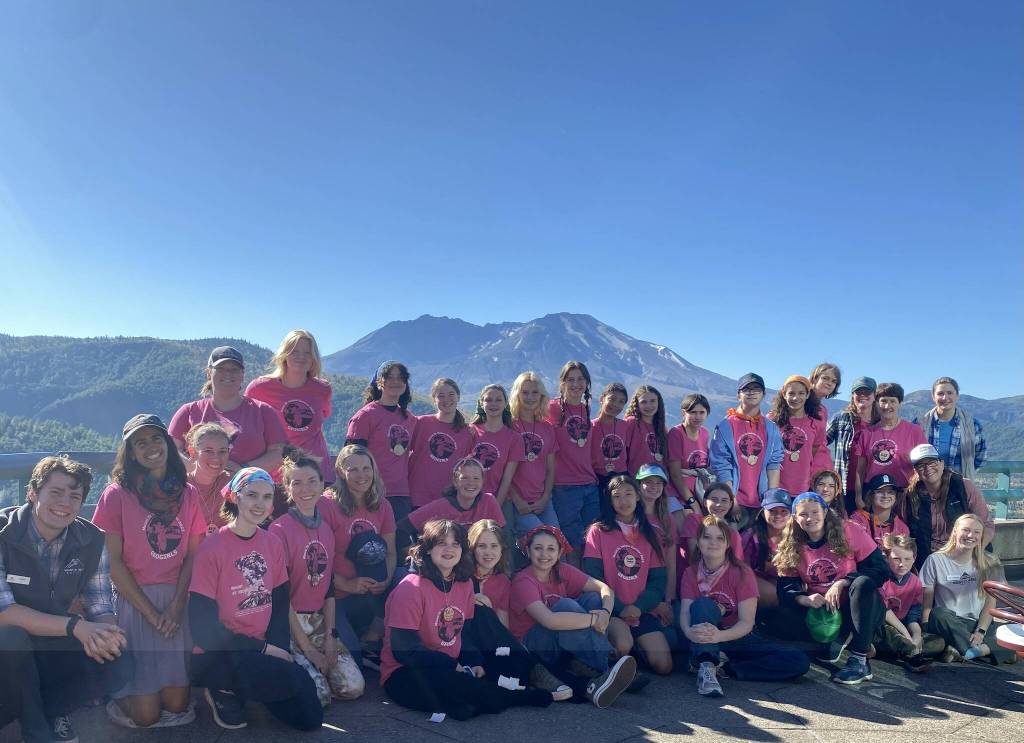
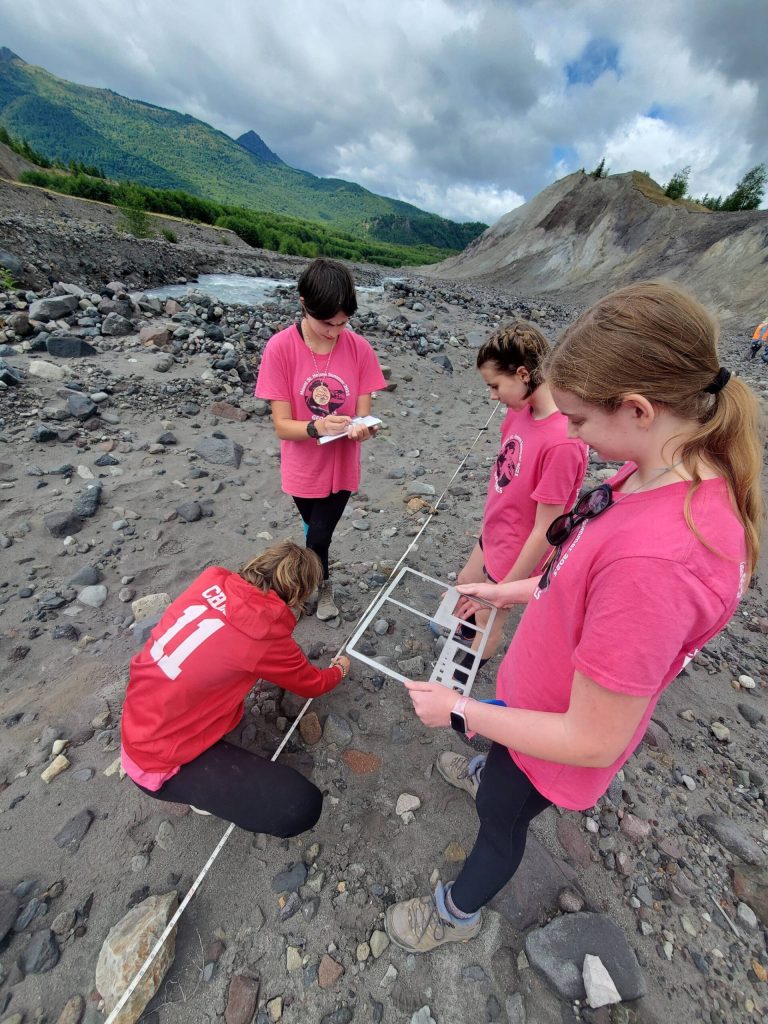

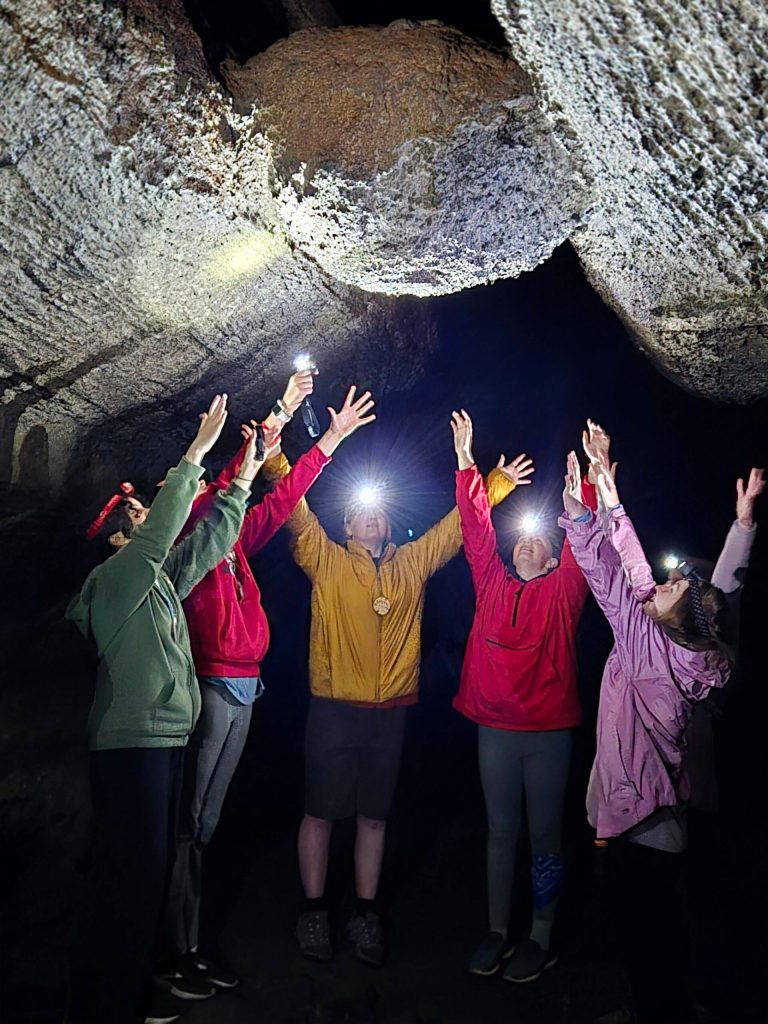
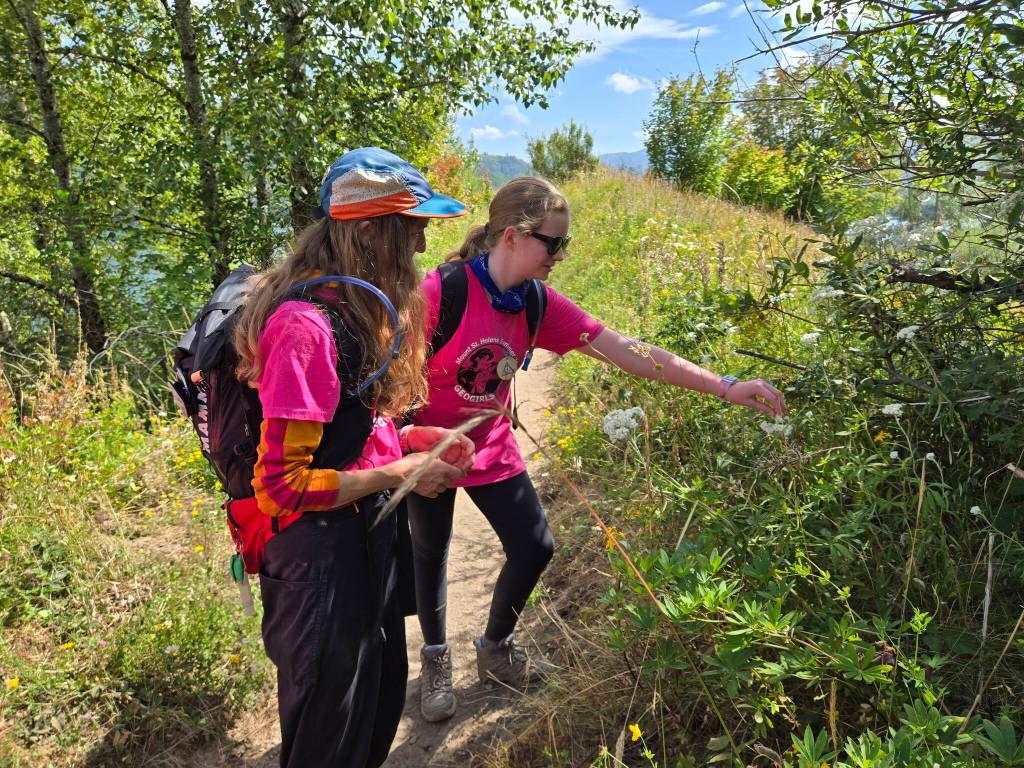
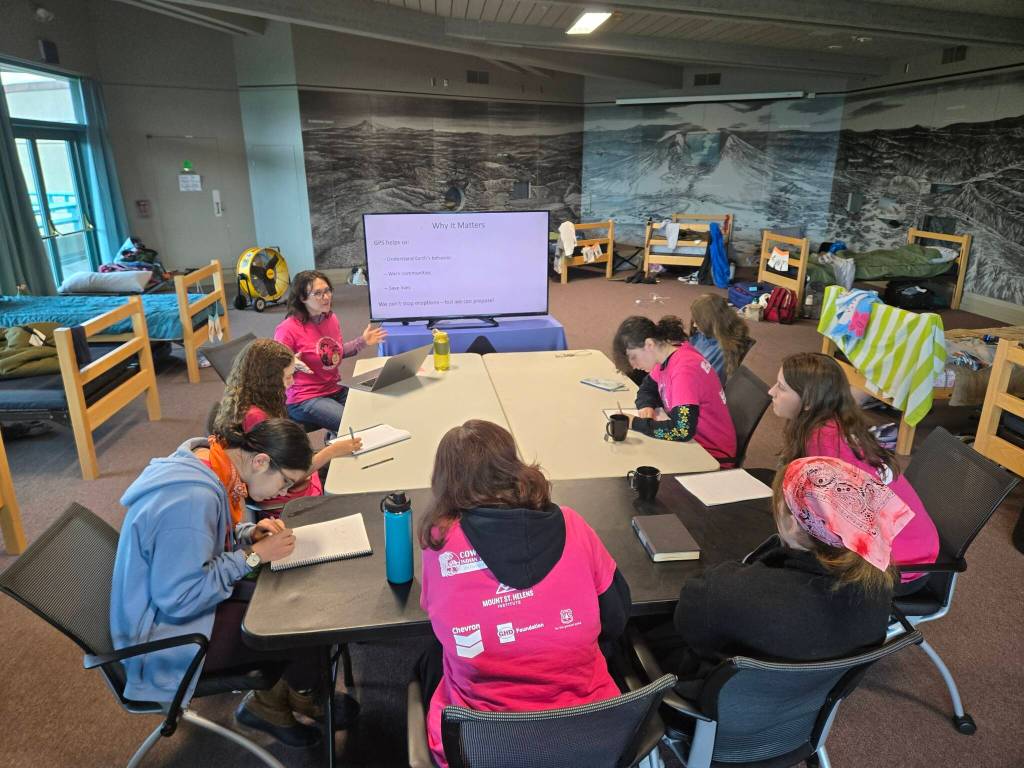
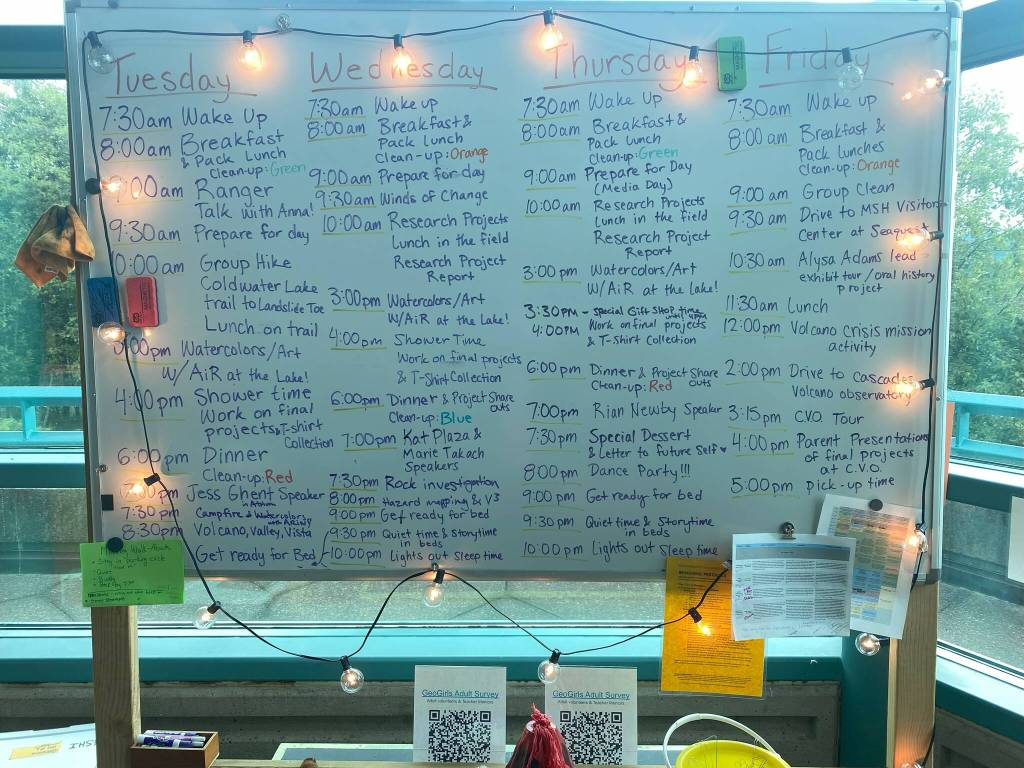




During a summer where local earthquake swarms beneath Mt. Rainier put Cascadian volcanoes back in the news and at the forefront of people’s minds, the young scientific minds of GeoGirls made their way to Mount St. Helens to get some firsthand experience in local geology.
Twenty-four middle school and high school girls from Oregon and Washington made the five-day trip to the geology and technology camp from Aug. 4-8, including Lorelei Correa of Renton.
Correa, a ninth-grader at Liberty High School, has been interested in geology as a possible career path and thought the program would be a great opportunity to learn more and see if it would be a good fit.
“This was my first time going and I was very excited when we found it I could go,” said Correa, whose mother learned about GeoGirls when searching for geology programs online.
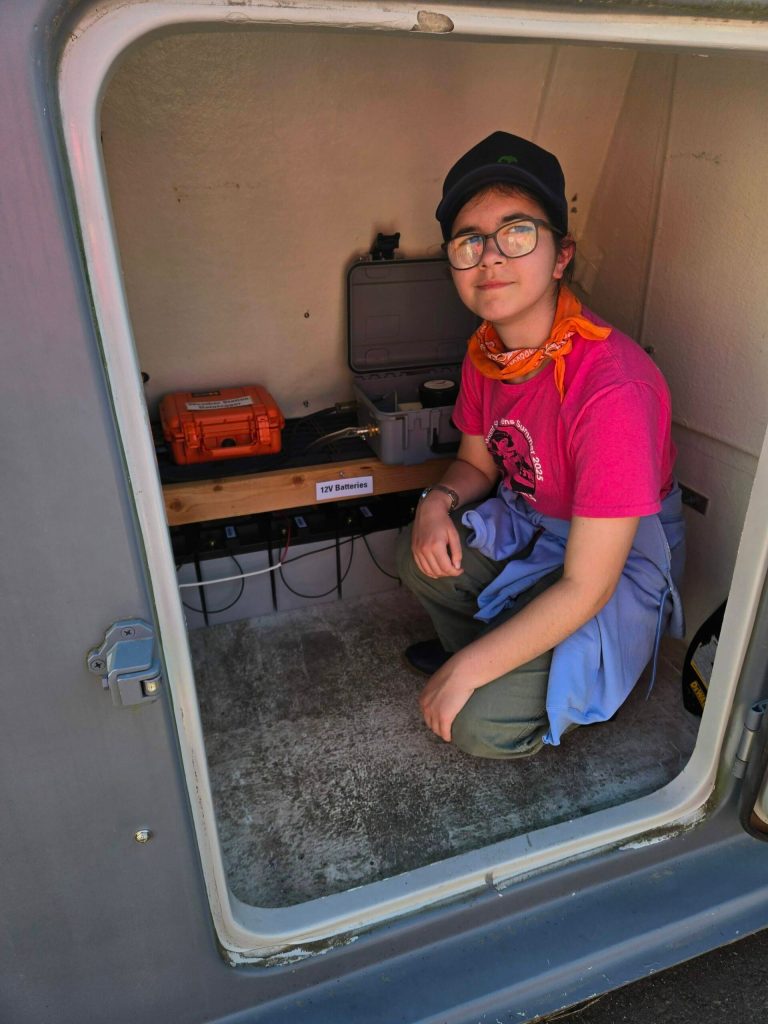
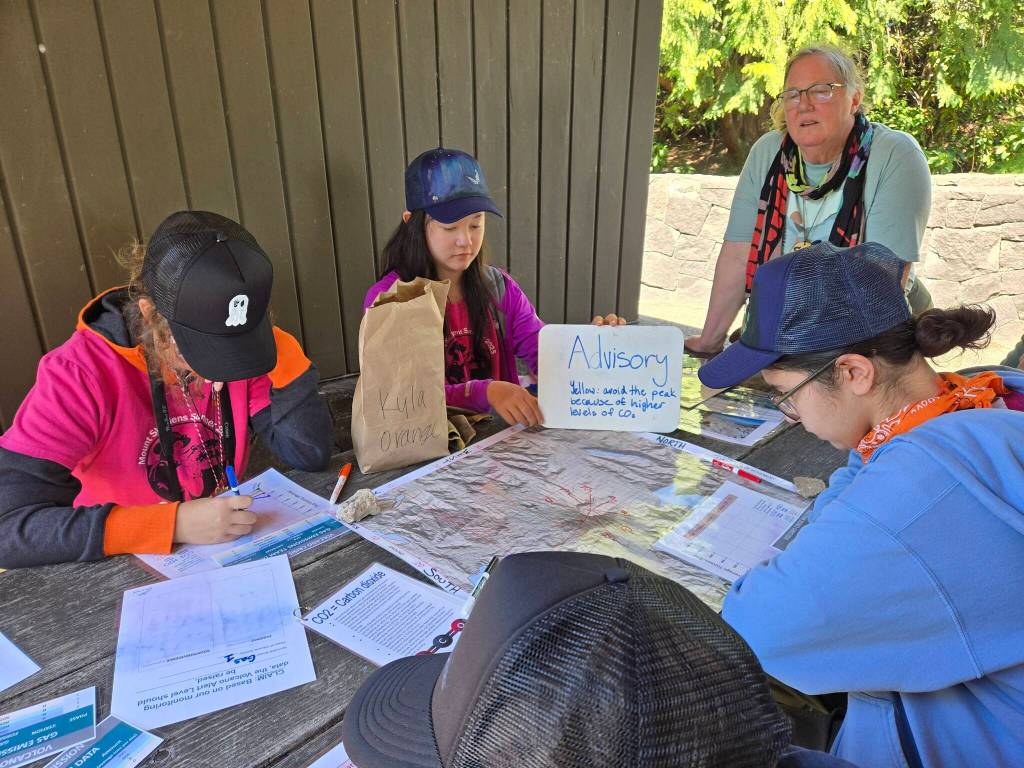
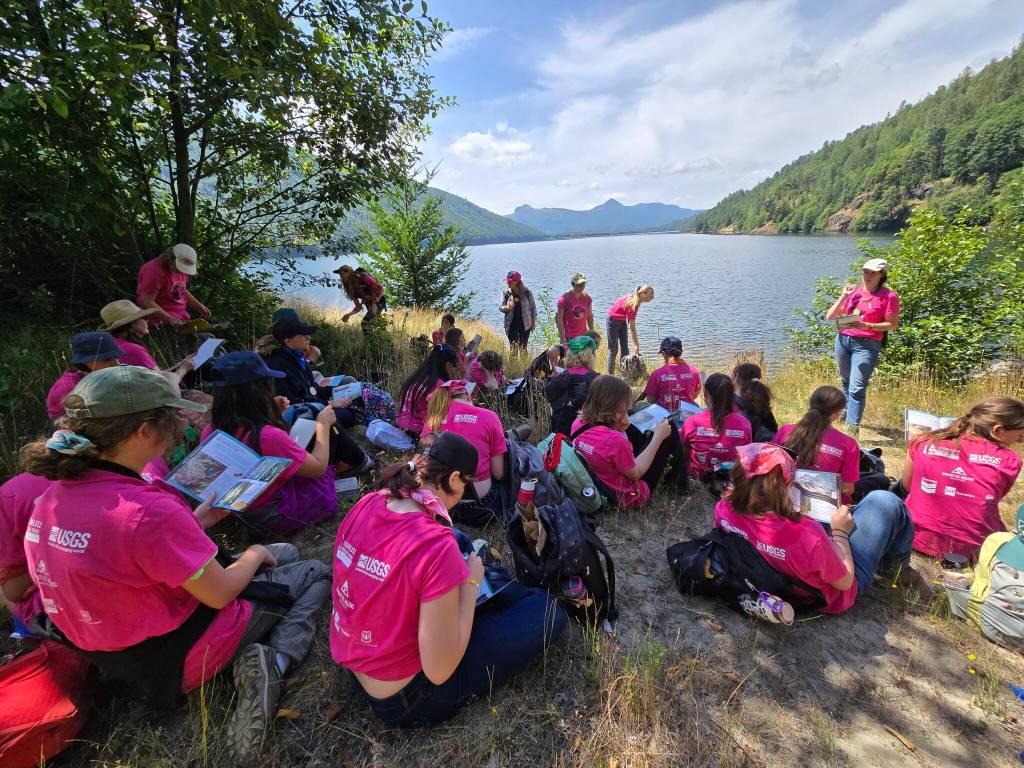
Over the course of the five days, the GeoGirls hiked to field sites, identified landslides, measured erosion, witnessed how life returned to hummocky ponds, deployed seismometers, set up campaign global navigation satellite system (GNSS) instruments and tracked landscape changes using photogrammetry.
For Correa, it was hard to choose a favorite part of the trip.
“I would say it was either getting to experience what it was like to do actual field work as a geologist by learning how to use geophones, read seismographs, and set up GPS stations, or when I saw Mount St. Helens up close for the first time. The size of the volcano and the crater shocked me and it looked so cool!” Correa said.
Established in 2015, over 200 students have completed the GeoGirls program, which “provides an impactful outdoor learning opportunity for scientists and researchers to share their knowledge of Mount St. Helens, volcano hazards, monitoring technologies, science careers, and hazard education.”
Upon arrival to the camp, the GeoGirls connected with women scientists from MSHI, USGS, U.S. Forest Service, Washington State Department of Natural Resources, Washington State Parks, Central Washington University, Dartmouth, University of California Davis, University of Oregon, University of Washington, Western Washington University, and Yakima Community College. Along with scientists, two artists-in-residence at Mount St. Helens were there to guide the GeoGirls in field sketching and documentation activities.
Along with the 24 students, four female science teachers attended the program, including Amy Gerdes of Auburn. Formerly a teacher in Kent, Gerdes now teaches in Puyallup, and this was her second year as a GeoGirls mentor.
“I’m 41 years old and I felt like there were barriers to women in science and math fields when I was growing up, so I’m happy that now there’s a much bigger effort,” said Gerdes. “We were hiking seven miles and the girls were getting out there into the field and collecting data that is being used to figure out how to reopen and rebuild the roads.”
Applications are open to all female and nonbinary students graduating from 7th, 8th, 10th, 11th and 12th grade in Washington and Oregon. GeoGirls is a free program that is made possible through the Mount St. Helens Institute (MSHI) and the U.S. Geological Survery Cascades Volcano Observatory (USGS).
With recent budget cuts at the state and national level to parks, forests and public outdoor spaces, and federal cuts to STEM education-related and research-related grants, it may become more difficult for science-based outdoor programs to grow and progress. But for Correa, getting to be a part of GeoGirls made their aspirations less shaky.
“GeoGirls is such an amazing community and a great opportunity to learn more about geology, whether you’re a longtime fan of the field or this is your first exposure to a program like this,” said Correa. “GeoGirls helps girls and genderqueer folx get more involved in science, and helped me realize that geology is something I want to pursue in my future.”
For more information, visit mshinstitute.org/geogirls.